Traveling Exhibition · Ongoing · Est. New York
妖怪の夢
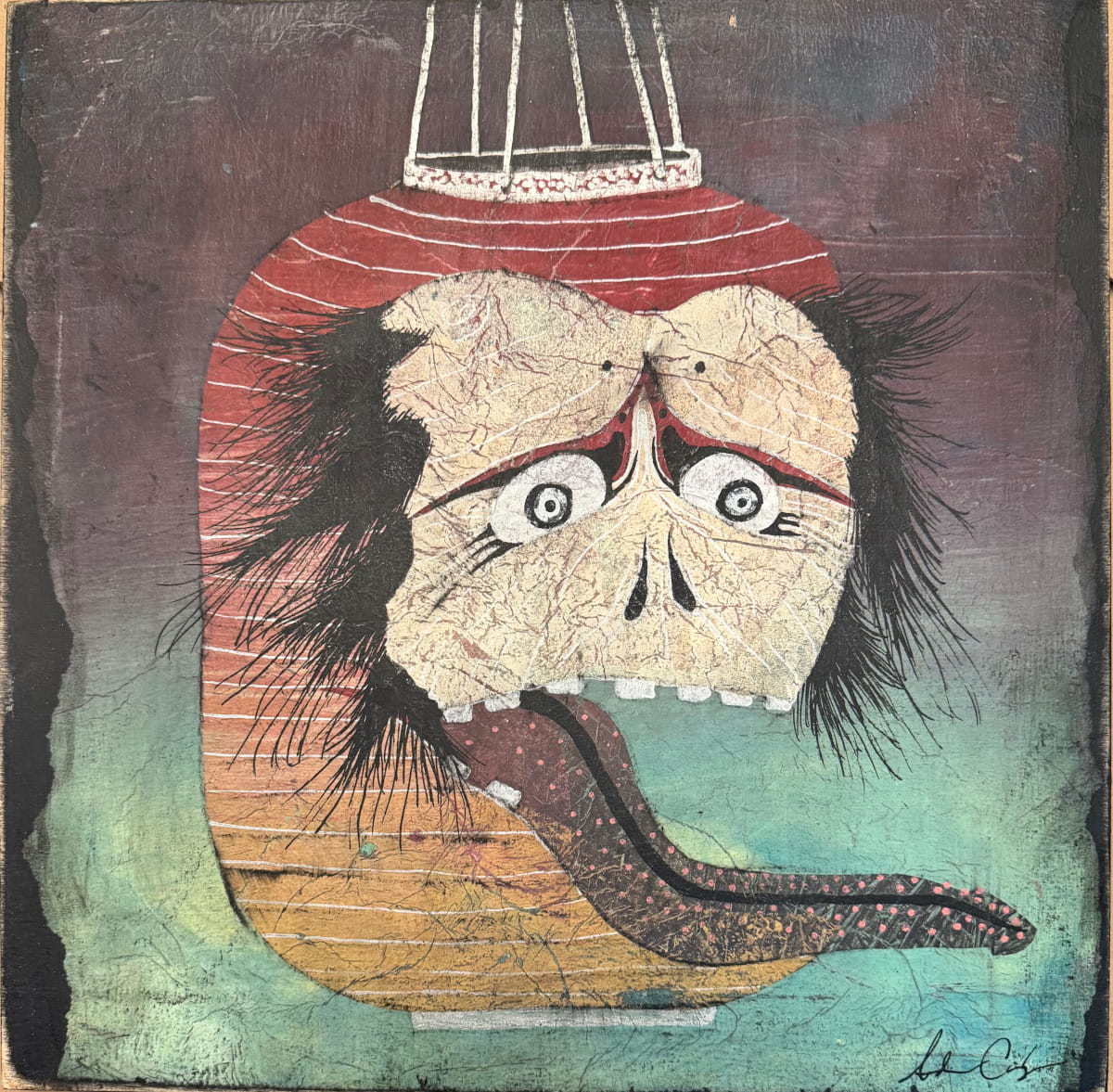
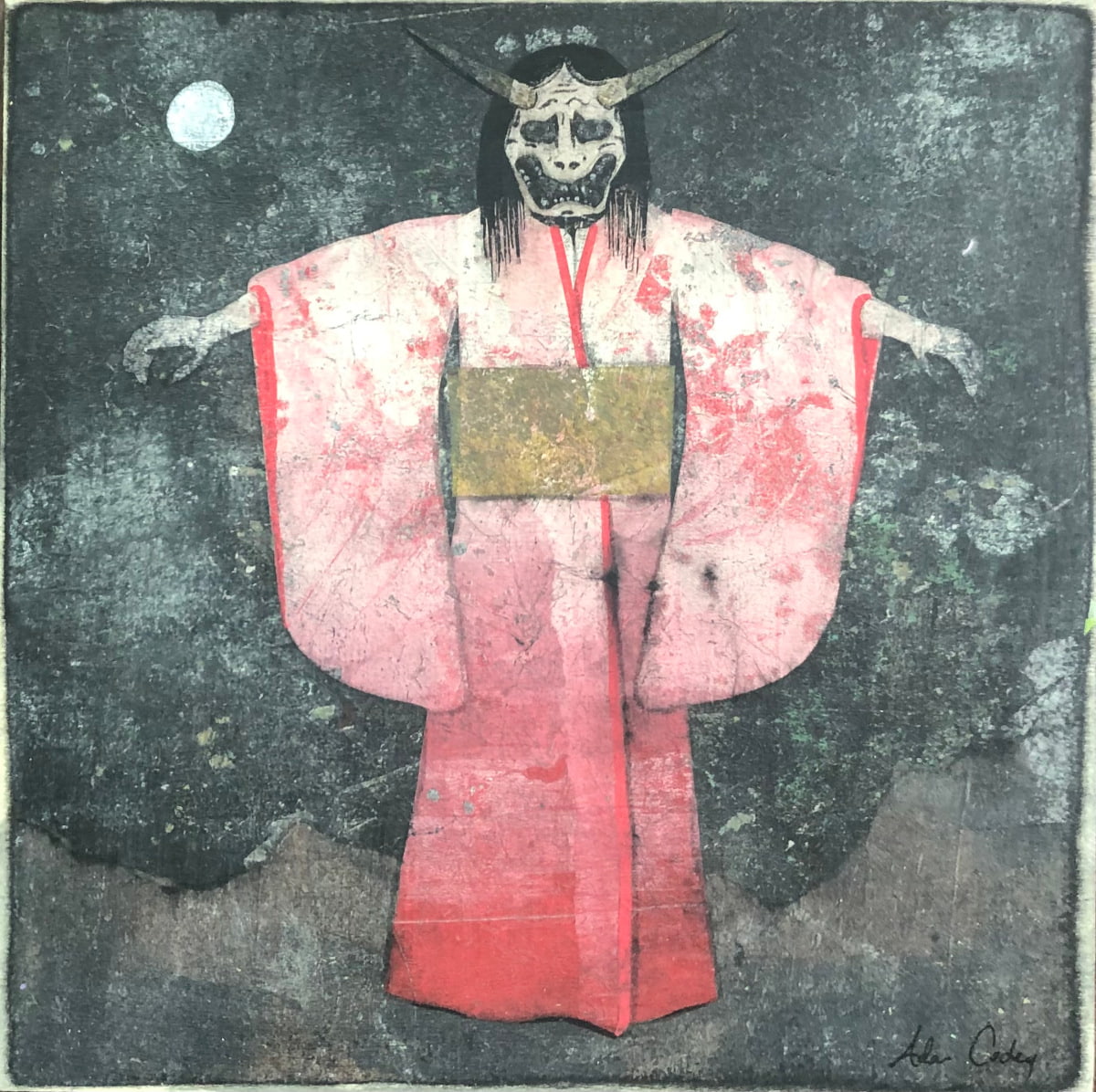
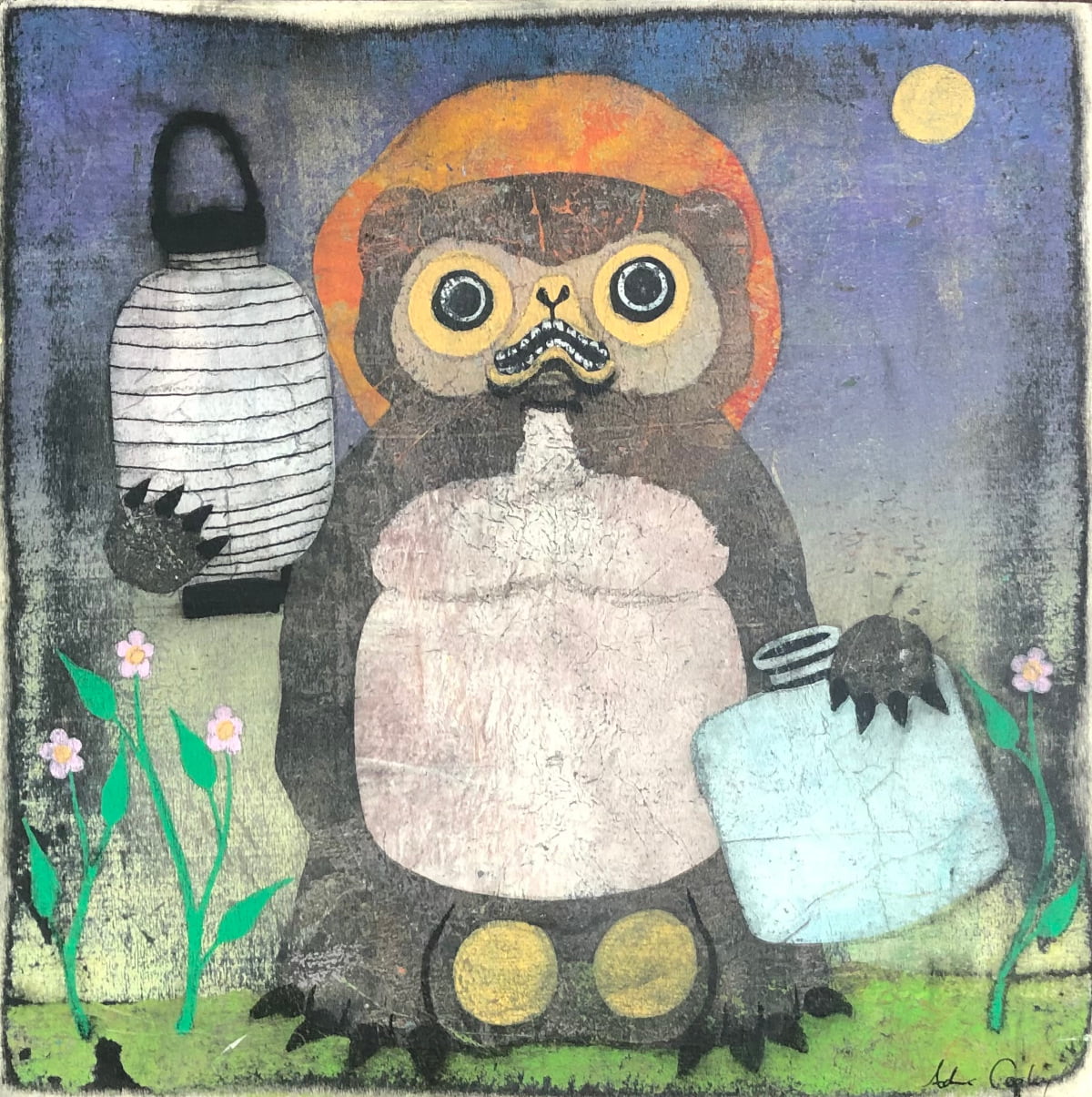
Western monsters are threats to be defeated or tragedies to be mourned. Yōkai are something else entirely — manifestations of instability within order itself.
Artist Statement
For most of my life I have been drawn to monsters — not as simple embodiments of fear, but as figures that disturb categorical certainty. My childhood fascination with Gothic cinema gave me a Western vocabulary of the uncanny: vampires, werewolves, stitched-together corpses animated by electricity. These creatures were moralized and narratively contained.
When I began living in Japan, I encountered an entirely different ecology of the monstrous. Yōkai were neither strictly evil nor wholly supernatural in the Western theological sense. They were ambiguous presences — sometimes mischievous, sometimes dangerous, sometimes explanatory, sometimes inexplicable. They blurred distinctions between human and nonhuman, animate and inanimate, material and immaterial. It was this elasticity that resonated with me most deeply.
Monstrous Dreams grew from sustained engagement with this instability. The project did not begin as an academic exercise. I had been creating monsters long before consciously engaging with Japanese traditions. Over decades of immersion in Japanese culture, visual language, and aesthetic systems, my work began to converge with yōkai — not as subjects to be copied, but as conceptual frameworks through which transformation itself could be explored.
There is no singular "original" yōkai form to which I could return. What exists instead is a lineage of reinterpretation — from Edo-period illustrated compendia to contemporary manga. By entering into this lineage, I participate in its historical logic. My paintings are neither traditional Japanese works nor Western appropriations of exotic subject matter. They are hybrid translations shaped by lived experience.
"For me, this series is about more than depicting monsters. It's about exploring a part of Japan's cultural heritage that resonates with universal human themes — fear, curiosity, mystery — and interpreting it through a Western lens. Each yōkai holds a different facet of myth, legend, or human emotion, and there's a kind of endless inspiration in that."
— Adam Cooley
Process & Technique
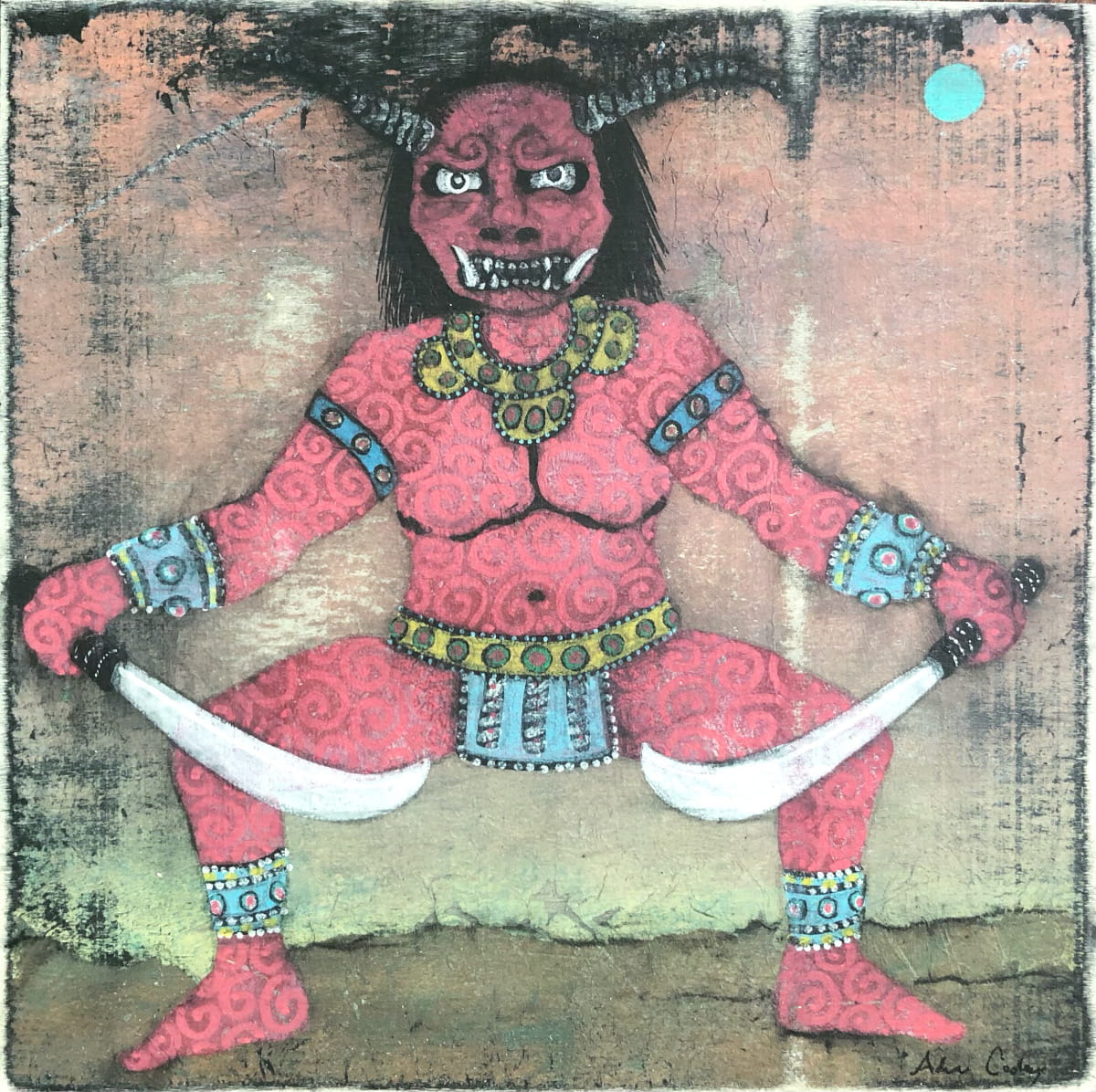
Each painting is built through successive layers of acrylic and wax — painted, sanded, and repainted sometimes dozens of times. The yōkai are not drafted and then rendered; they are uncovered through abrasion.
Fragments of earlier forms remain embedded beneath subsequent layers. The stratified surface of each painting parallels the structure of folklore itself.
Color gradations and border structures evoke the ukiyo-e woodblock tradition. The layering and sanding method mirrors Japanese urushi lacquerwork.
Much of this work was produced in basements and repurposed warehouses in industrial Osaka — transitional environments neither fully public nor entirely private.
Recurring motifs — dark framing borders, atmospheric fields, restrained palettes — establish coherence across hundreds of works. The uncanny becomes inhabitable rather than resolved.
I do not seek to fix them.
I seek to keep them in motion.
Exhibition History
The Paintings
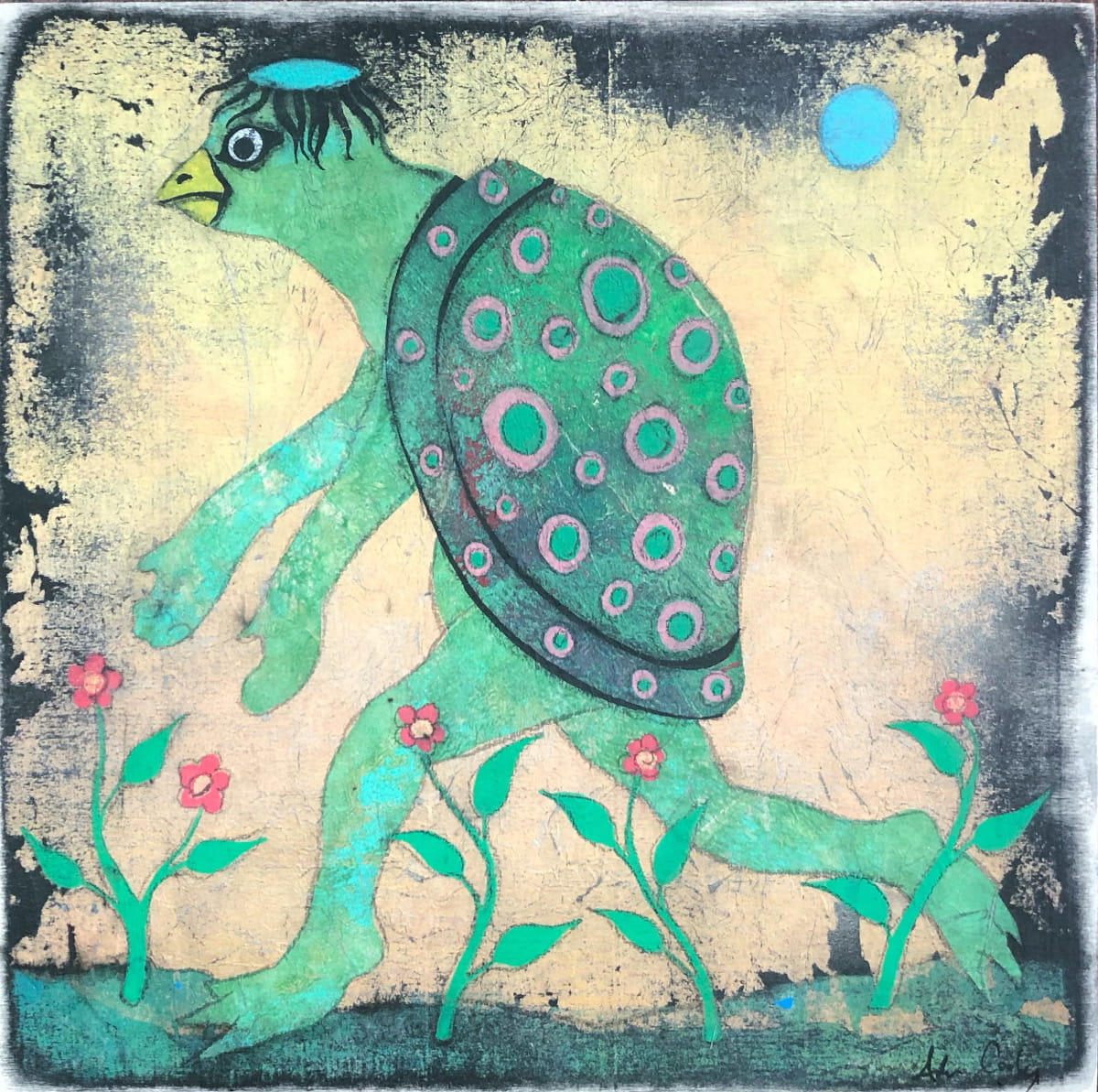
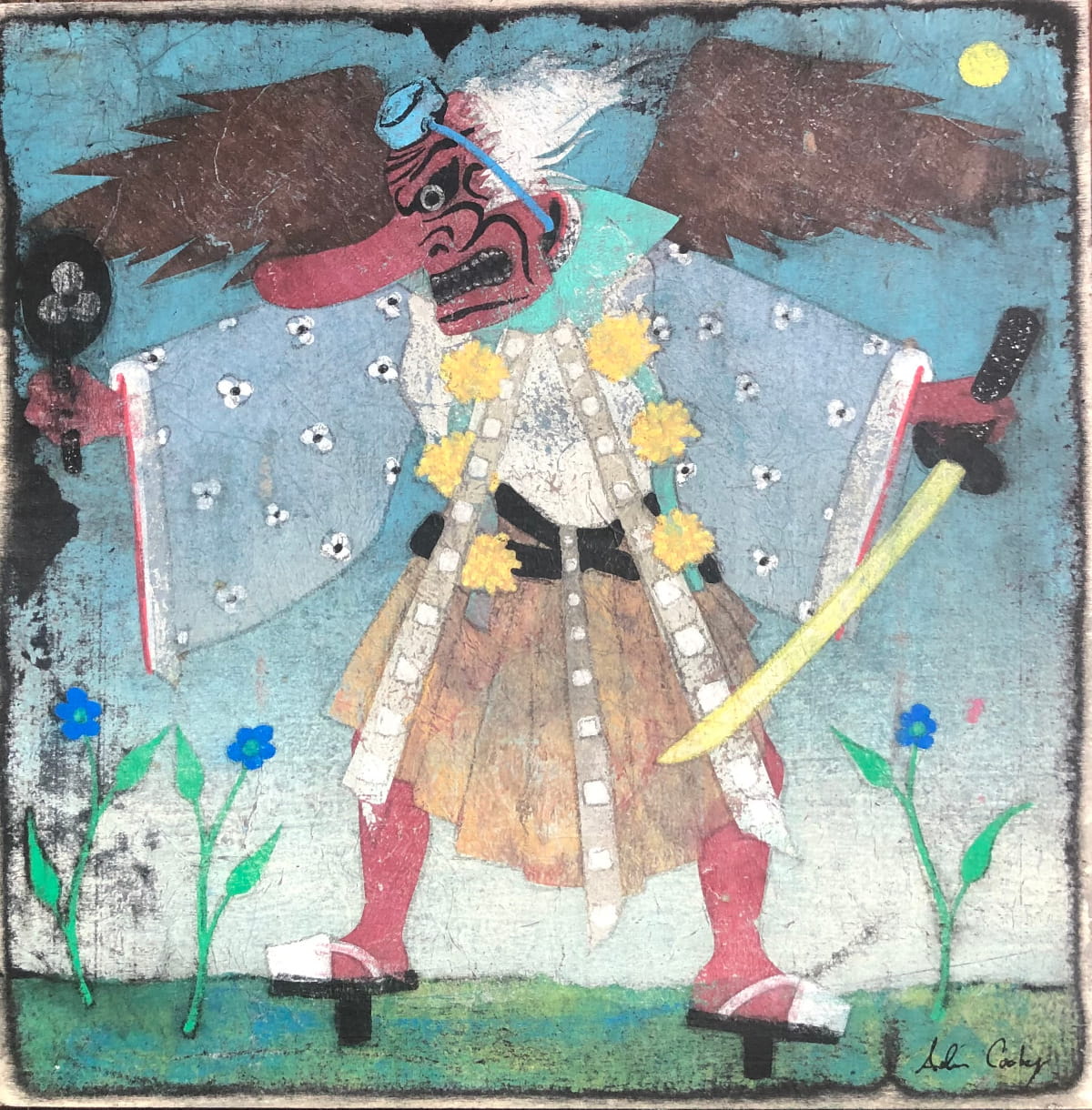
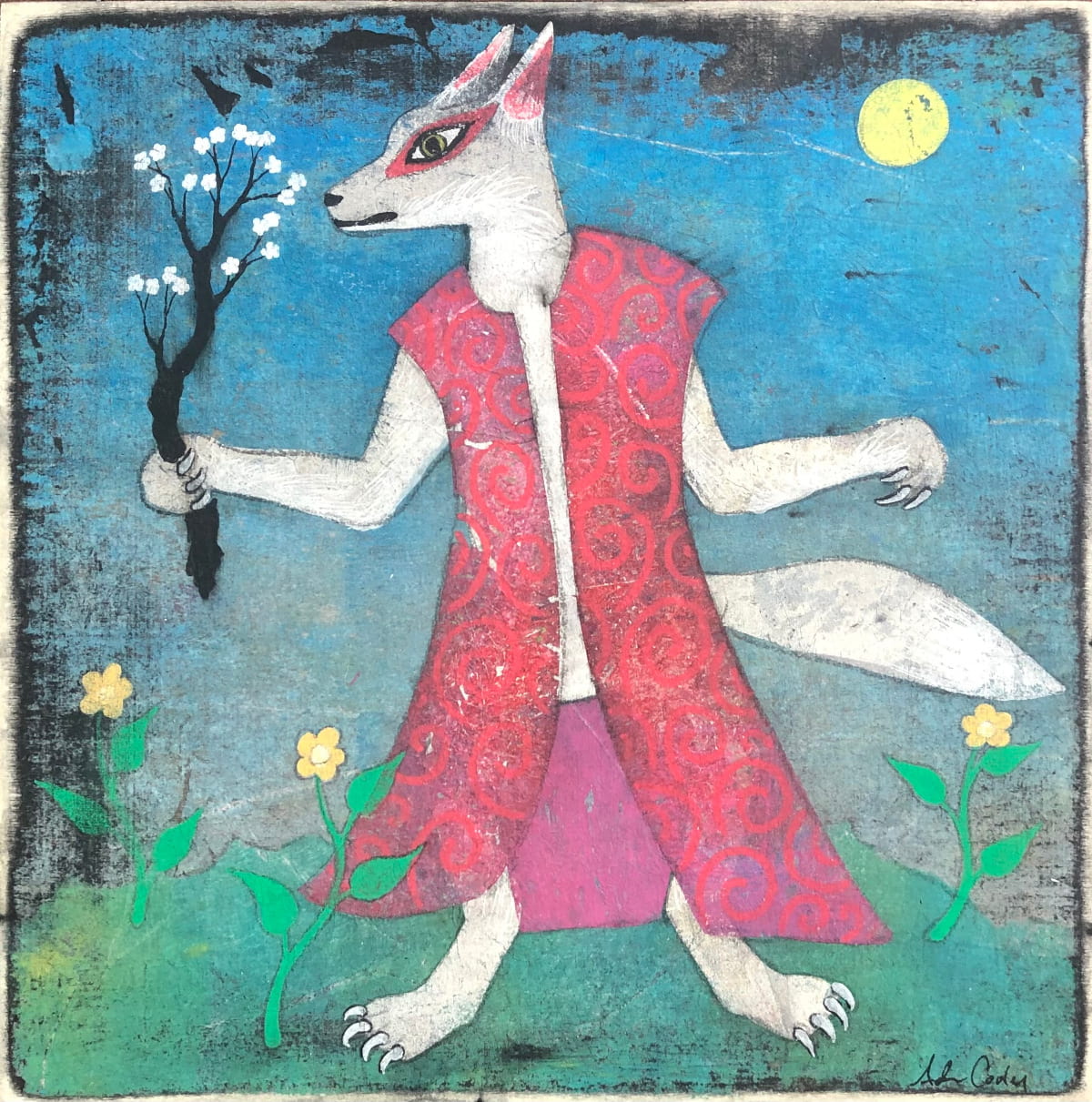
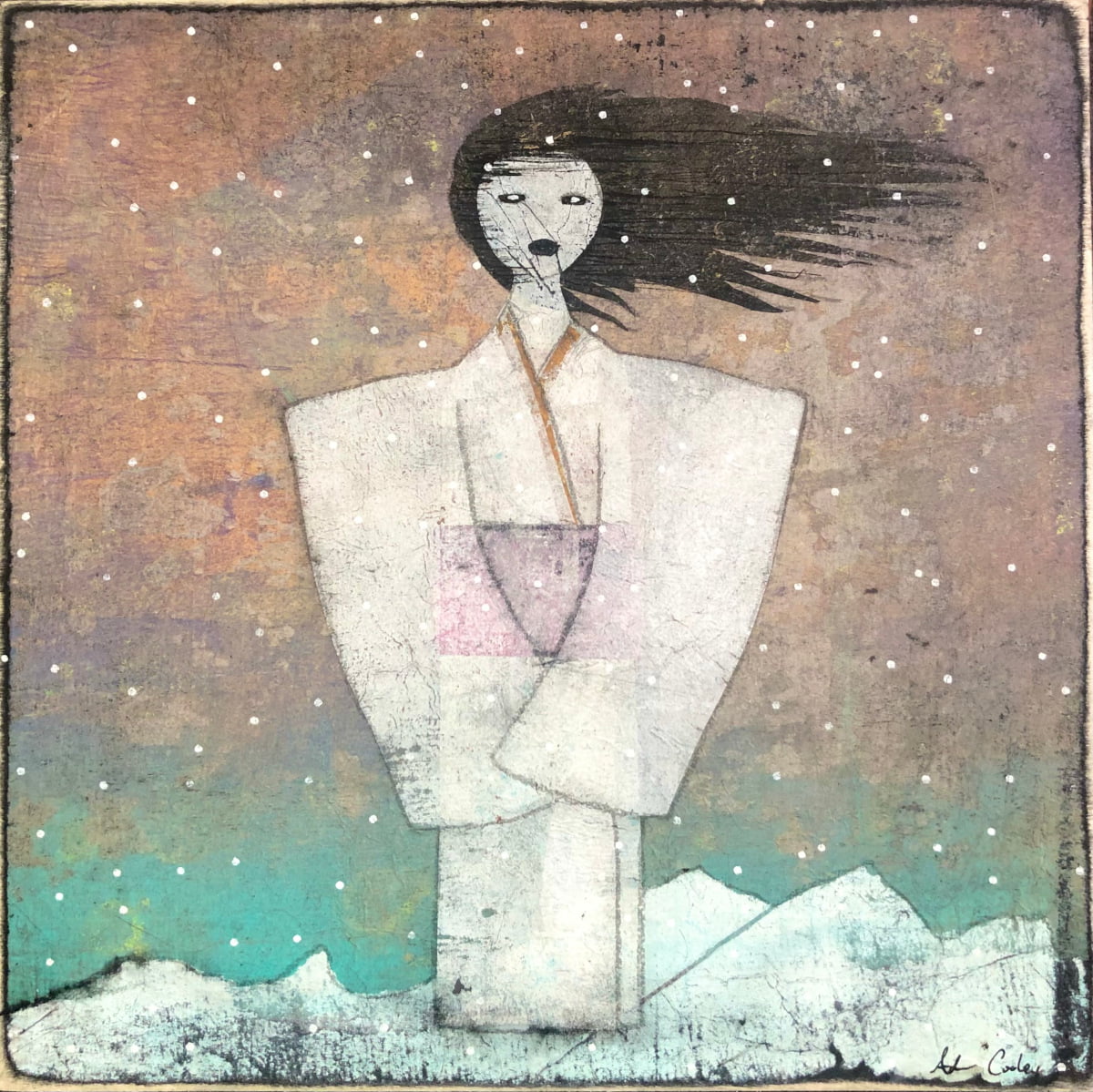
Each of the 200+ paintings in this series depicts a distinct yōkai from Japanese folklore. There is no singular "original" yōkai form — what exists is a lineage of reinterpretation stretching from Edo-period illustrated compendia to the present. This catalogue grows alongside that tradition. Works are available for institutional acquisition and private collection.
All works: acrylic and wax on wood panel · 12 × 12 in. or 11 × 14 in.
Showing 8 of 200+ works in this series
View Full CataloguePress & Scholarship
A scholarly analysis of the Monstrous Dreams series drawing on documented yōkai scholarship and an extended interview with Cooley.
Read essay →Cooley's own scholarly reflection on the Monstrous Dreams series — examining yōkai as cultural process, liminality, and what it means to translate beings defined by change.
Read essay →Exhibition catalogue featuring essays, full-color plates, and a complete exhibition checklist.
Download PDF →Studio interview conducted in Cooley's Osaka workspace, documenting the layering and sanding process at the heart of the series.
Read interview →Official press release for the Brown Gallery exhibition at Duke University, Durham, NC. April 6–18, 2026. Over 100 paintings from the 200-piece series.
Request release →Monstrous Dreams: Yōkai of Japan is an ongoing traveling exhibition available for institutional presentation worldwide. Inquiries from galleries, universities, and museums are welcome.
Curatorial Enquiry Download Press Kit